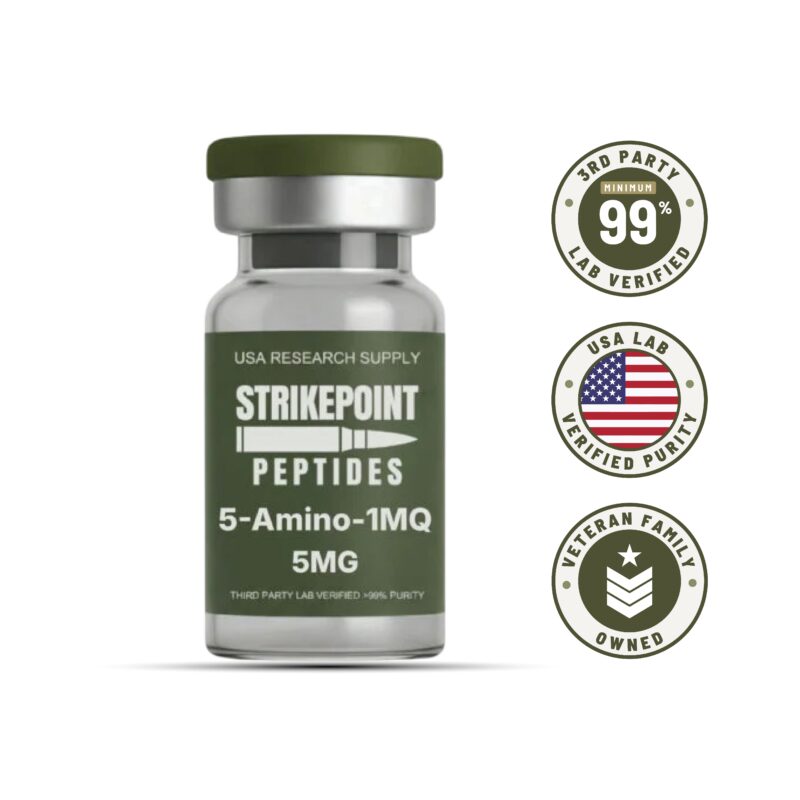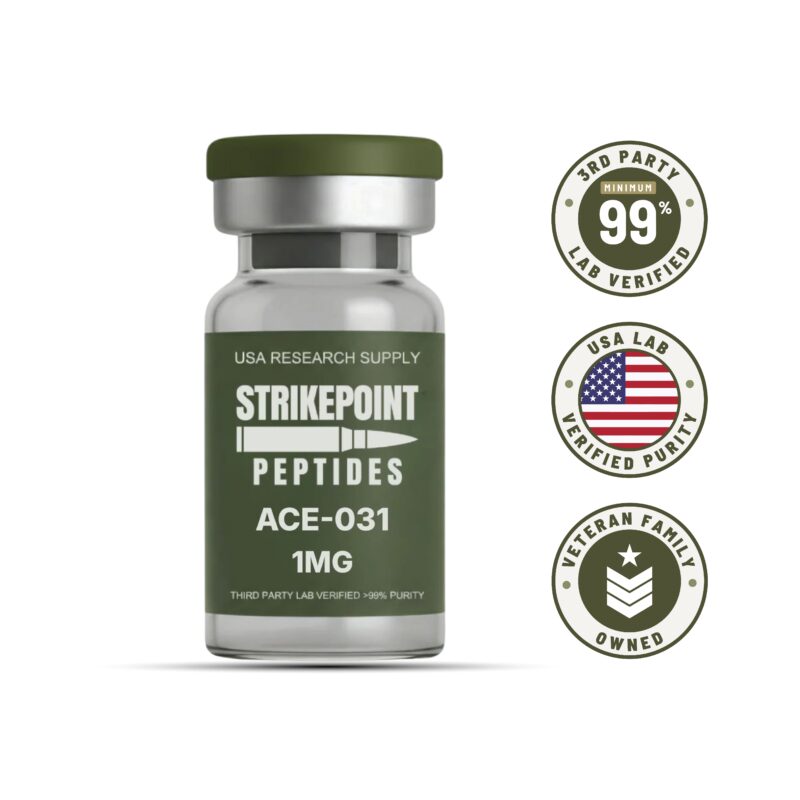
MOTS-c
MOTS-c Price range: $33.44 through $118.40
Back to products
LL-37 5mg
LL-37 5mg Original price was: $105.00.Current price is: $84.00.

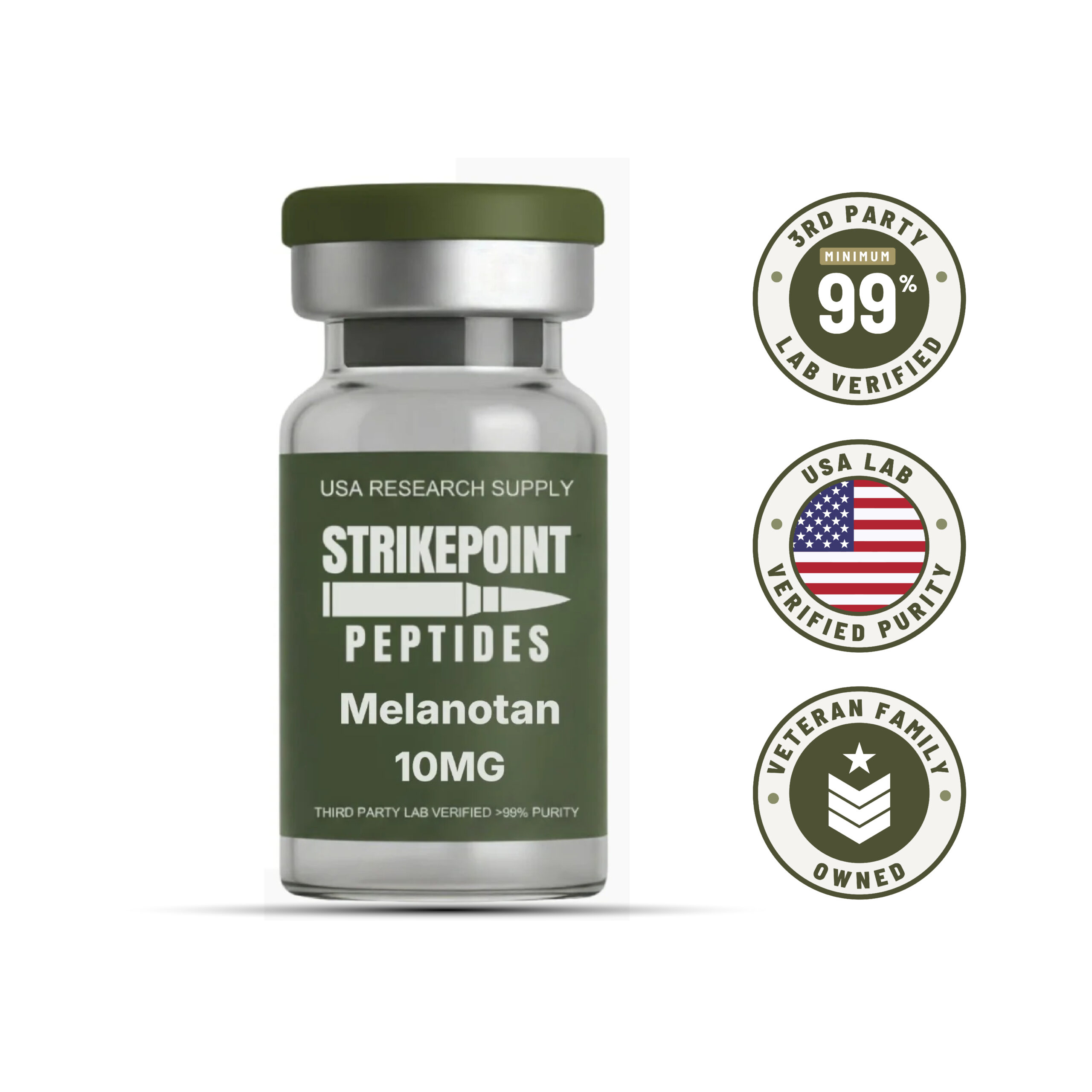
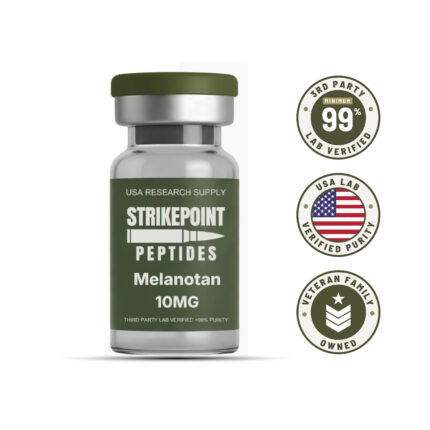
Melanotan

15 BOUGHT IN LAST 24H

Original price was: $44.00.Current price is: $35.20.

Veteran Support
Mission Driven
Same-Day
Shipping
Third-Party
Tested
Secure
Checkout
SCIENTIFIC SPECIFICATIONS
Molecular Formula
C₇₈H₁₁₁N₂₁O₁₀
CAS
75921-69-6
Molar Mass
1646.874 g/mol
Amino Acid Sequence
N/A
Synonyms
N/A
Solubility
N/A
Form
N/A
Research Use Only
● VERIFIED ANALYSIS

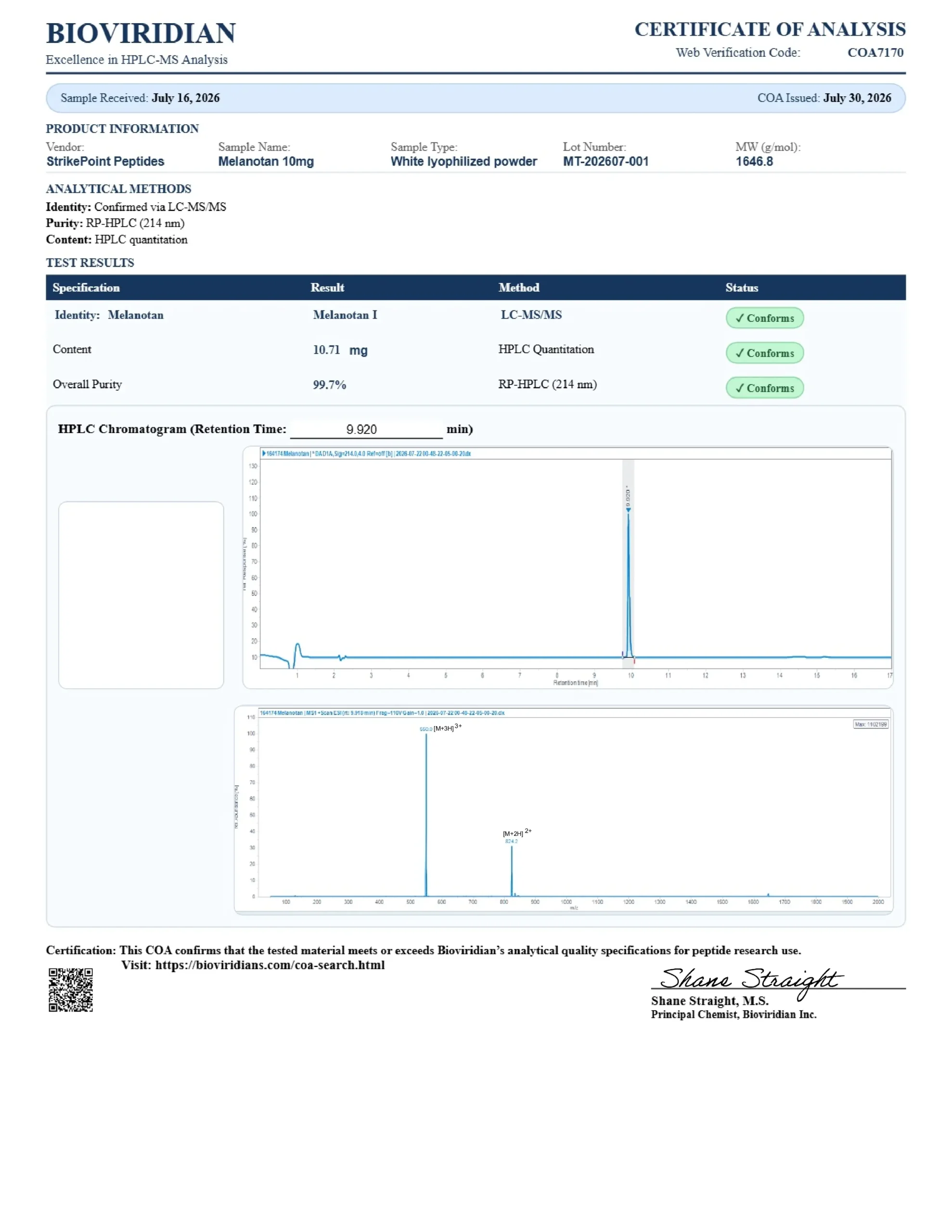
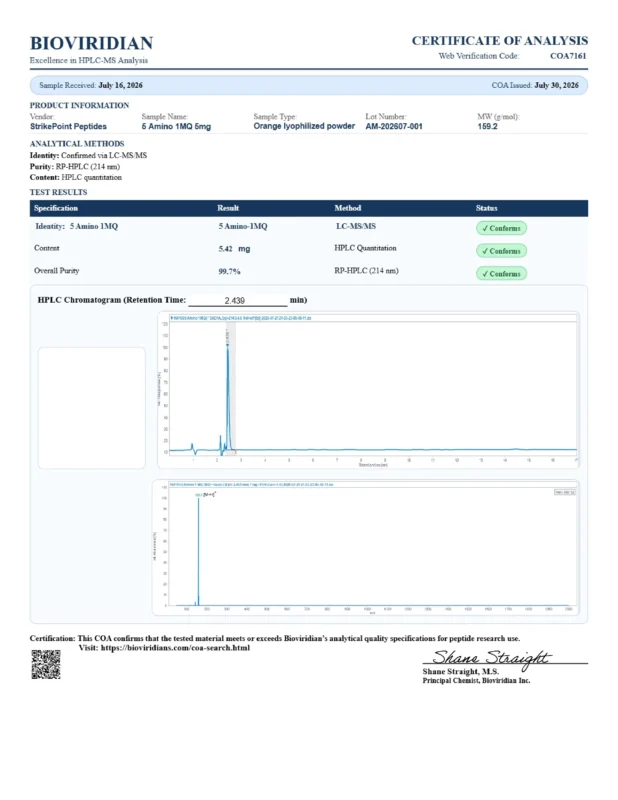
Third-Party Lab Results

Transparency is our priority. Download the full HPLC and Mass Spectrometry reports for the current batch #88291. Tested on Oct 24, 2023.

DOWNLOAD FULL REPORT (PDF)
PDF
HPLC_BPC157_Batch88291.pdf
Verified by Janoshik
PDF
MS_BPC157_Batch88291.pdf
Verified by Janoshik
Research Overview

Melatonin is an indoleamine molecule naturally produced by the pineal gland and found across numerous biological systems. In research settings, it is widely used as a model compound to study circadian regulation, cellular redox balance, and neuroendocrine signaling. When supplied as a laboratory reagent, melatonin is intended strictly for controlled experimental use—such as in vitro assays, receptor-binding studies, or cellular signaling investigations—and not for human or veterinary administration.

This designation allows the use of melatonin only for in vitro testing and laboratory experimentation. All product information is provided for educational and research purposes. This material is not a drug, food, or cosmetic and must not be misbranded, misused, or mislabeled as such.

Melatonin is structurally derived from tryptophan and has been extensively studied as a key marker and mediator of circadian timing in diverse model systems. In the laboratory, melatonin is often used to explore:

  • Clock-gene expression and circadian rhythm regulation
  • Receptor-mediated signaling via MT1/MT2 and related pathways
  • Interactions with intracellular antioxidant and redox systems
  • Cross-talk between neuroendocrine signals and cellular stress responses

Because melatonin interacts with both membrane-bound and nuclear receptors, it serves as a versatile probe for examining how environmental cues (e.g., light–dark cycles) can influence downstream transcriptional and metabolic processes. Research also frequently evaluates its role in mitochondrial function, reactive oxygen species handling, and cellular protection pathways in various tissues.

Storage & Handling

All peptides are supplied as sterile, lyophilized powder and are stable when handled correctly.

  • On arrival: Store vials in a cool, dry place away from heat and direct sunlight.
  • Long-term (powder): For optimal longevity, keep lyophilized peptides refrigerated to help maintain integrity.
  • After reconstitution: Use an appropriate research diluent (for example, BAC water). Store the reconstituted solution in the refrigerator and use within 20–30 days for best stability.

Note: Minimize exposure to moisture and repeated freeze–thaw cycles. Follow your institution's safety procedures when handling research materials.

FAQ 


Q1: What is melatonin supplied for in this context?
A1: Melatonin is supplied strictly as a laboratory research chemical for in vitro testing and related experimental work by qualified professionals. It is not intended or approved for human or veterinary use.

Q2: Can this melatonin product be used as a sleep aid or dietary supplement?
A2:
No. This melatonin is a research-grade reagent only. It must not be used as a sleep aid, supplement, medication, or any other consumer product.

Q3: What types of studies commonly use melatonin?
A3: Researchers frequently use melatonin to investigate circadian biology, receptor-mediated signaling, oxidative stress pathways, and mitochondrial or cellular function in controlled experimental systems.

Q4: Does PeakLab Peptides provide any dosing or usage guidance?
A4: No. All experimental design parameters—including concentration, protocol, and handling—must be determined by the purchasing laboratory. PeakLab Peptides does not provide dosing, administration, or clinical-use guidance.

Q5: Is this melatonin product classified as a drug, food, or cosmetic?
A5:
No. This product is not a drug, food, or cosmetic and may not be misbranded, misused, or mislabeled as such. It is designated for research use only.

i
Research Use Only: This product is intended for laboratory research use only and is not for human consumption, diagnostic, or therapeutic use.

Researcher Reviews

Reviews

There are no reviews yet.

Be the first to review “Melanotan”

Your email address will not be published. Required fields are marked *