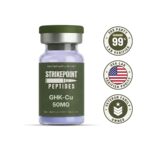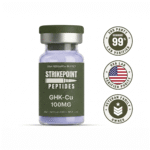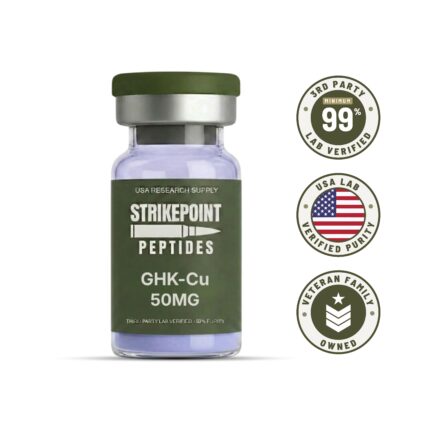
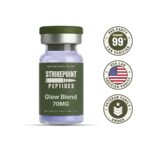
Glow Blend 70mg (GHK-Cu 50mg, BPC-157 10mg, TB-500 10mg)
Glow Blend 70mg (GHK-Cu 50mg, BPC-157 10mg, TB-500 10mg) Original price was: $119.00.Current price is: $95.20.
Back to products
Epithalon
Epithalon Price range: $30.80 through $73.60

GHK-Cu

15 BOUGHT IN LAST 24H

Price range: $30.80 through $44.00

Veteran Support
Mission Driven
Same-Day
Shipping
Third-Party
Tested
Secure
Checkout
SCIENTIFIC SPECIFICATIONS
Molecular Formula
C14H21N6O4
CAS
89030-95-5
Molar Mass
404.9 g/mol
Chemical Formula
C14H21CuN6O4
Amino Acid Sequence
Gly-His-Lys
Synonyms
Copper tripeptide-1, Copper-GHK, GHK-Cu, Copper peptide
Solubility
Water-soluble
Organoleptic Profile
Blue powder
Composition
Lyophilized powder – requires reconstitution
Research Use Only
● VERIFIED ANALYSIS

Third-Party Lab Results

Transparency is our priority. Download the full HPLC and Mass Spectrometry reports for the current batch #88291. Tested on Oct 24, 2023.

DOWNLOAD FULL REPORT (PDF)
PDF
HPLC_BPC157_Batch88291.pdf
Verified by Janoshik
PDF
MS_BPC157_Batch88291.pdf
Verified by Janoshik
Research Overview

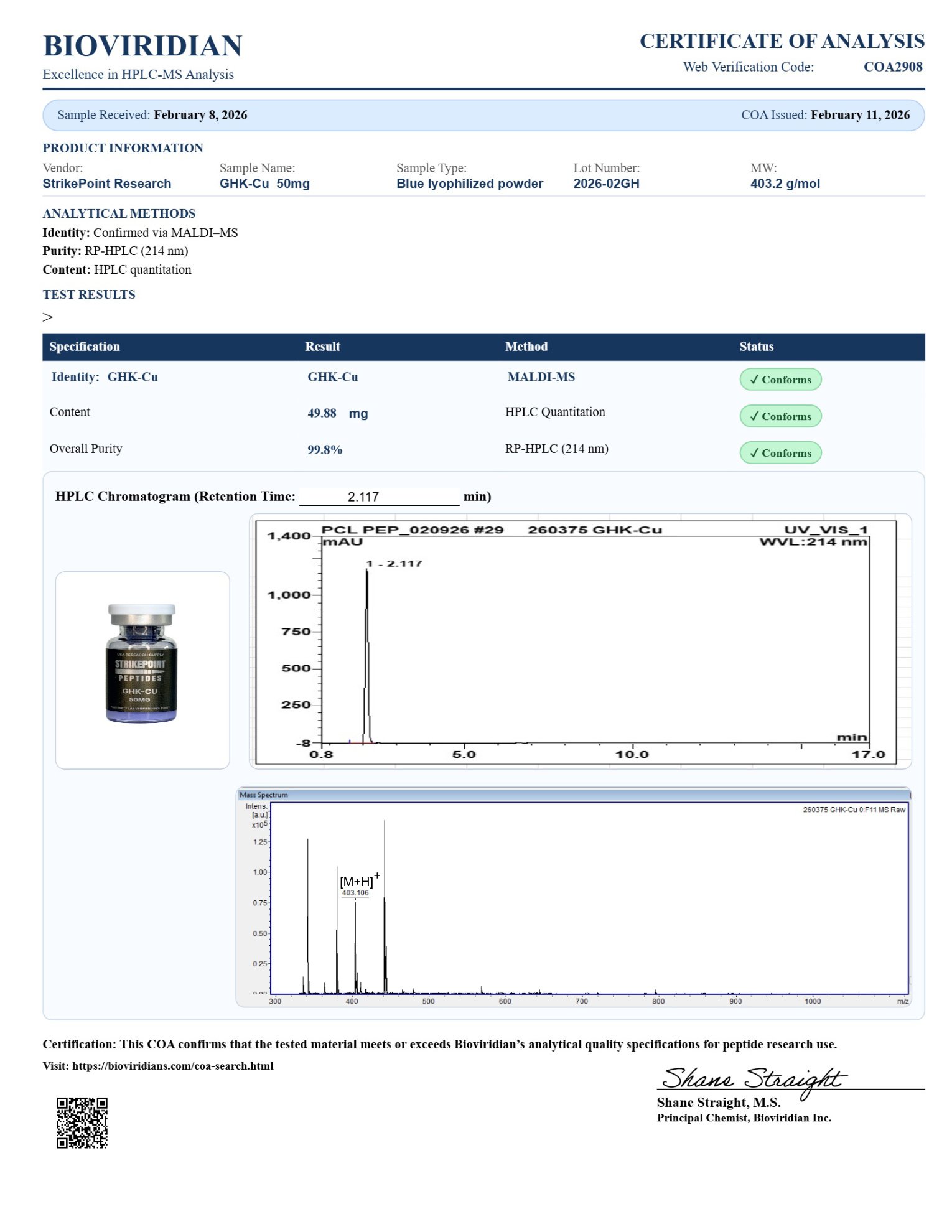
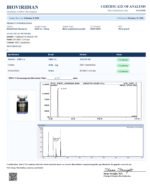
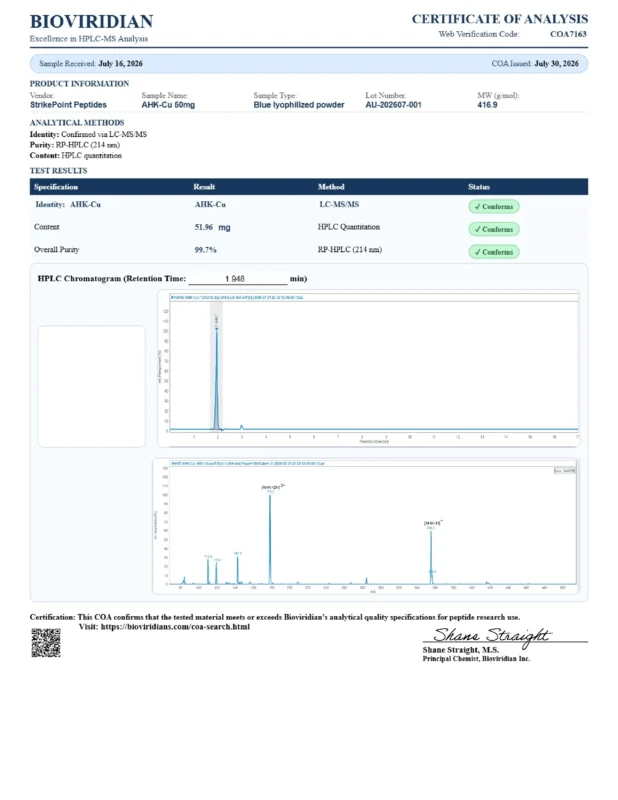
GHK-Cu Certificate of Analysis

Third-party tested. Click image to view full-resolution certificate.


COA2876 Certificate of Analysis

Description

GHK-Cu (glycyl-L-histidyl-L-lysine–copper) is a naturally occurring copper-binding tripeptide found in human plasma, saliva, and urine. In experimental systems, GHK-Cu is widely used to investigate wound-repair mechanisms, extracellular matrix dynamics, angiogenesis, and antioxidant responses.

Preclinical and in vitro work suggests that GHK-Cu can modulate collagen and glycosaminoglycan turnover, influence fibroblast and immune-cell behavior, and interact with pathways related to oxidative stress and tissue injury signaling. GHK-Cu from research suppliers is intended strictly for laboratory use only and is not approved for human or veterinary consumption, cosmetic use, or any therapeutic application.

GHK-Cu is formed when the endogenous tripeptide GHK chelates copper(II) ions. Because of its presence in blood and tissue fluids, it is considered a physiologic carrier of copper, with roles in signaling and tissue maintenance that remain under active investigation.

In controlled research environments, GHK-Cu is commonly used to study:

  • Skin and connective-tissue repair processes
  • Fibroblast recruitment, proliferation, and matrix production
  • Angiogenesis and endothelial-cell behavior
  • Antimicrobial activity in wound models (when combined with selected co-factors)
  • Neurobiological and gene-expression changes in nervous system models
  • Experimental modulation of inflammatory and fibrotic responses

These applications make GHK-Cu a versatile tool for probing how small copper-peptide complexes participate in tissue-regeneration and stress-response pathways.

Storage & Handling

All peptides are supplied as sterile, lyophilized powder and are stable when handled correctly.

  • On arrival: Store vials in a cool, dry place away from heat and direct sunlight.
  • Long-term (powder): For optimal longevity, keep lyophilized peptides refrigerated to help maintain integrity.
  • After reconstitution: Use an appropriate research diluent (for example, BAC water). Store the reconstituted solution in the refrigerator and use within 20–30 days for best stability.

Note: Minimize exposure to moisture and repeated freeze–thaw cycles. Follow your institution's safety procedures when handling research materials.

FAQ 

Q1: What is GHK-Cu in a research context?
A1: GHK-Cu is a naturally occurring copper tripeptide found in human plasma and other body fluids, used in laboratory research to study wound healing, extracellular matrix dynamics, angiogenesis, antioxidant responses, and gene-expression changes.

Q2: Why is GHK-Cu associated with skin and wound-healing research?
A2:
In cell and animal models, GHK-Cu has been shown to influence collagen and matrix turnover, recruit fibroblasts and endothelial cells, and support revascularization, making it a key tool for investigating skin repair and tissue-regeneration pathways.

Q3: Does GHK-Cu have antimicrobial properties?
A3: GHK-Cu itself and particularly GHK-Cu combined with certain fatty acids have demonstrated antimicrobial activity in experimental settings, providing a basis for research into infection control and wound-healing complications.

Q4: Is GHK-Cu intended for cosmetic or therapeutic use?
A4: No. GHK-Cu supplied by research-focused vendors is for laboratory use only. It is not approved or intended for cosmetic application, human or veterinary consumption, or any diagnostic or therapeutic purpose.

Q5: In what other systems is GHK-Cu being studied?
A5:
Beyond skin and wounds, GHK-Cu is being explored in nervous system, pulmonary, inflammatory, and pain models, including investigations into gene-expression modulation, neuroprotection, lung fibrosis, ARDS, and experimental analgesia.

i
Research Use Only: This product is intended for laboratory research use only and is not for human consumption, diagnostic, or therapeutic use.

Researcher Reviews

Reviews

There are no reviews yet.

Be the first to review “GHK-Cu”

Your email address will not be published. Required fields are marked *