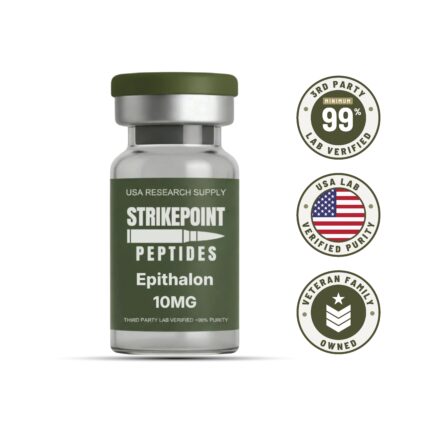

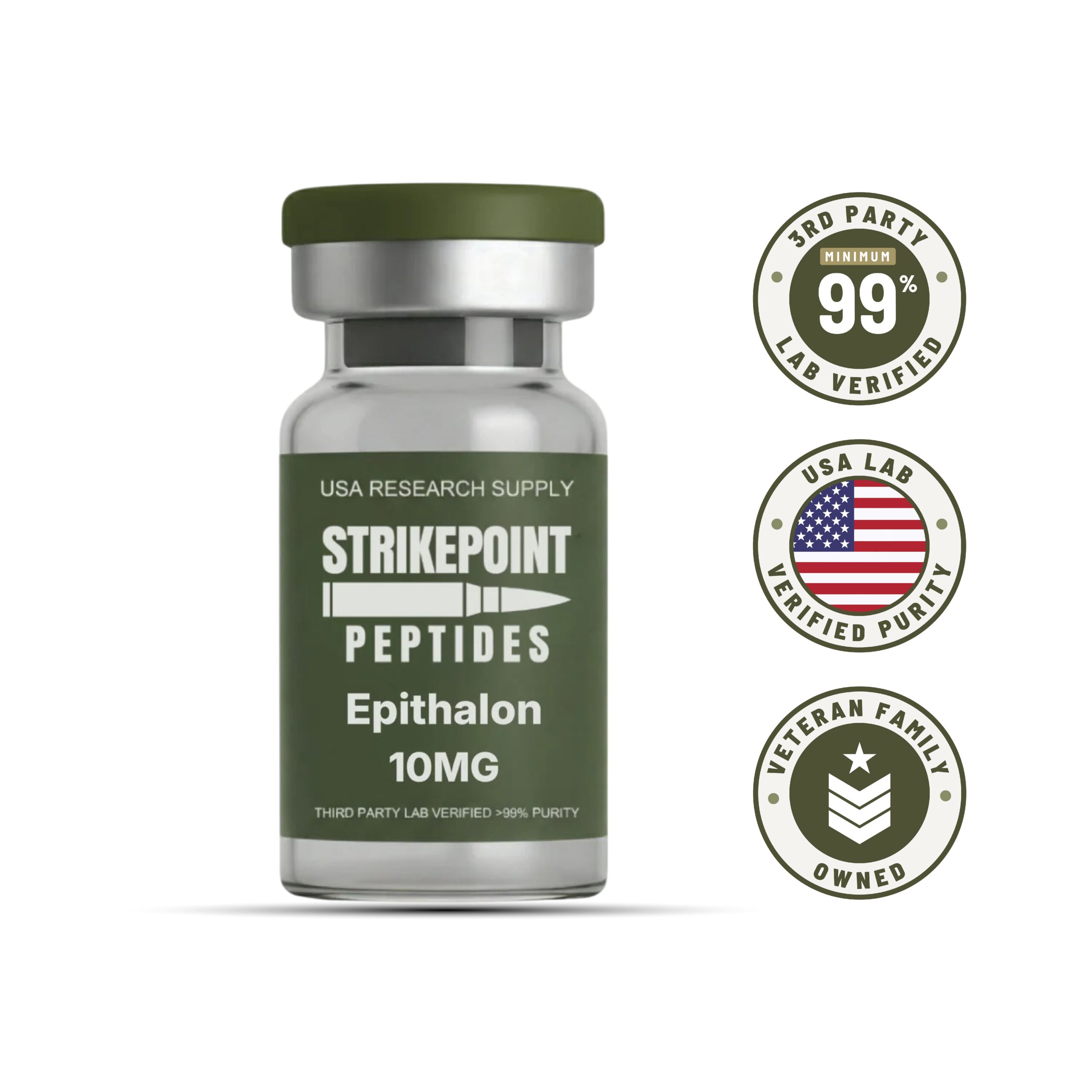
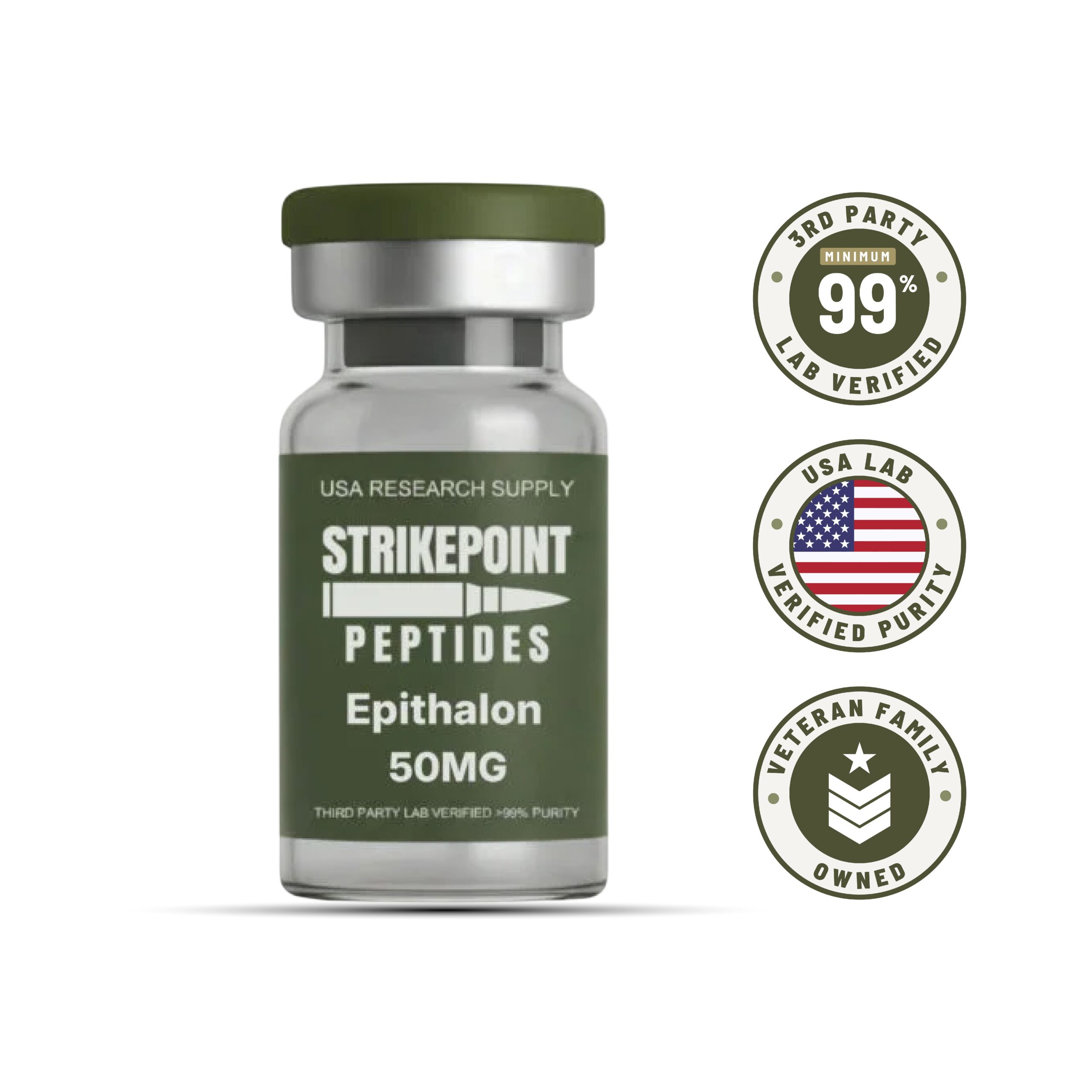
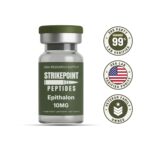
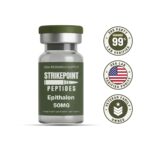
Epithalon
$30.80 – $73.60Price range: $30.80 through $73.60
Shipping
Tested
Checkout
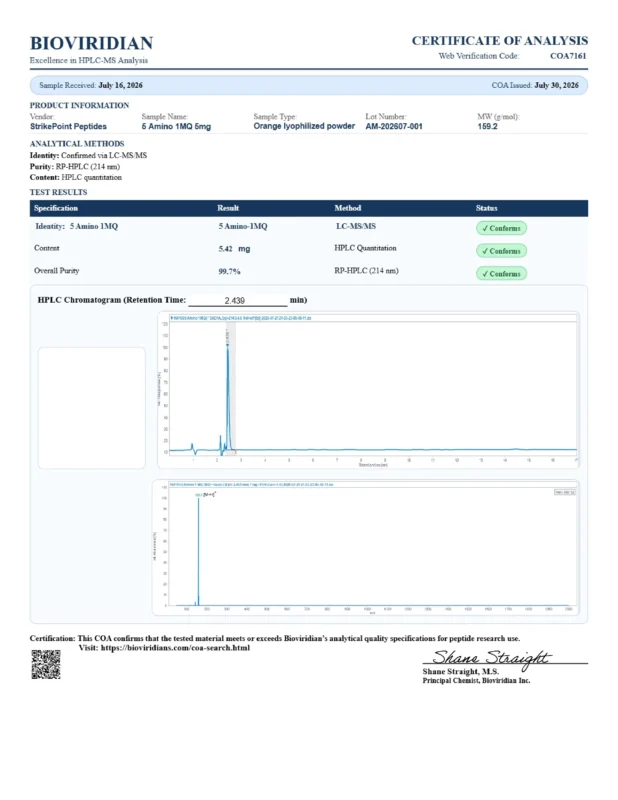
Third-Party Lab Results
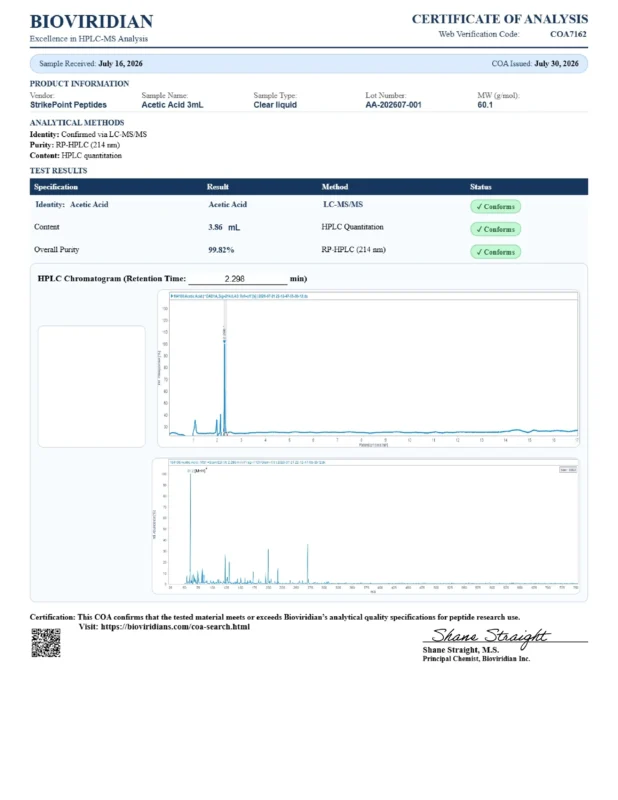
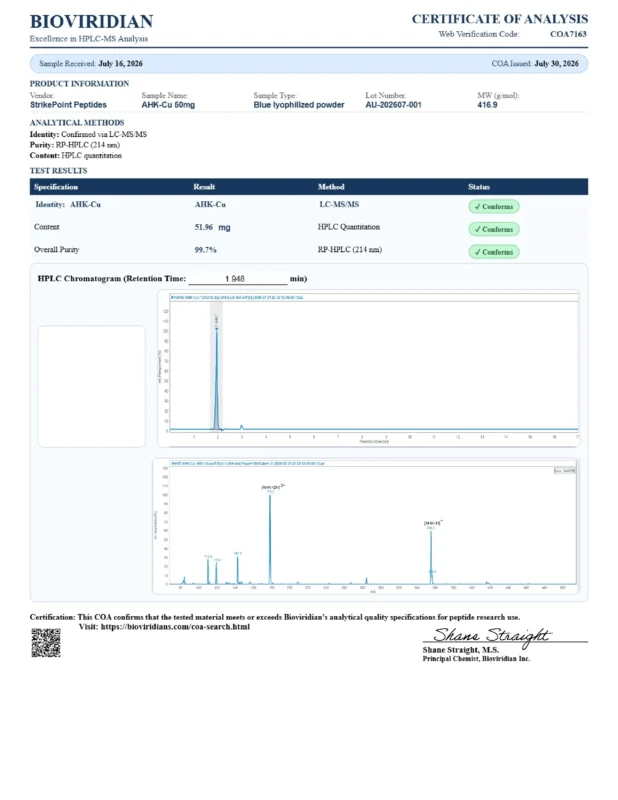
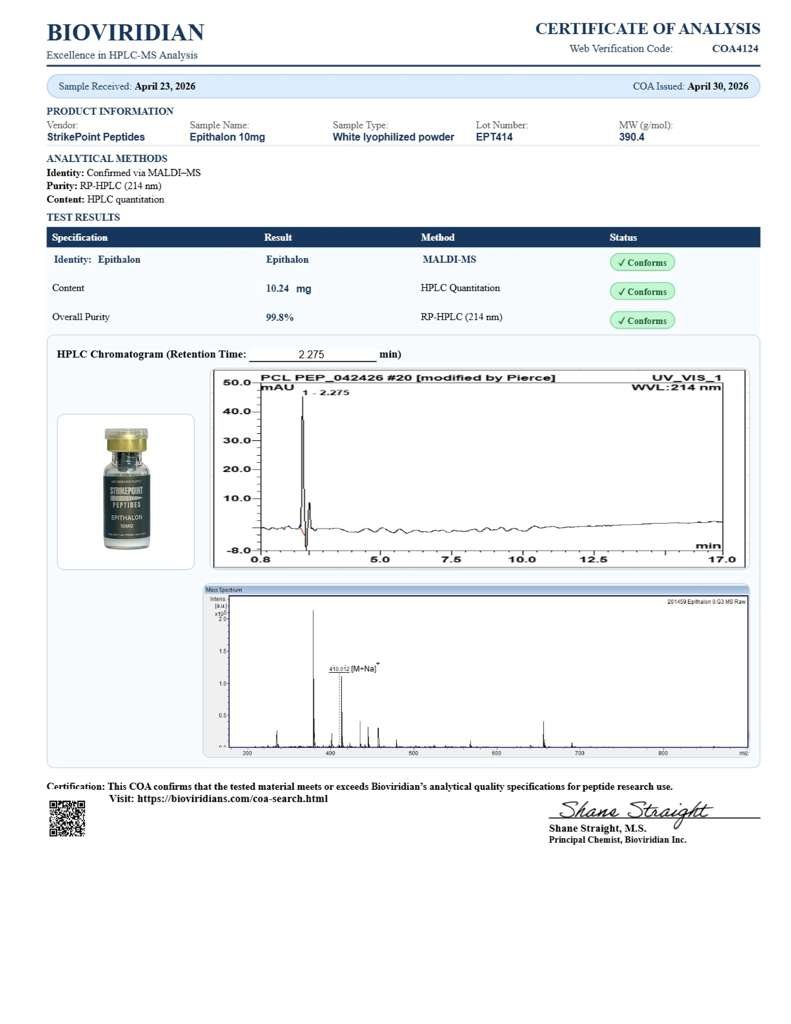
Transparency is our priority. Download the full HPLC and Mass Spectrometry reports for the current batch #88291. Tested on Oct 24, 2023.
DOWNLOAD FULL REPORT (PDF)Epithalon (Epitalon) is a synthetic tetrapeptide derivative of Epithalamin, originally associated with the pineal gland and circadian-regulation research. In laboratory settings, Epithalon is primarily investigated as a potential modulator of telomerase activity—the enzyme complex involved in maintaining telomere integrity at the ends of chromosomes.
Epithalon is a short peptide that has attracted interest in aging-related research due to its reported effects on telomerase activity and telomere maintenance in experimental systems. Telomeres are repetitive DNA sequences that help preserve chromosomal stability; telomerase contributes to their upkeep in certain cell types.
In controlled research environments, Epithalon has been used to explore:
- Telomerase activation and telomere length dynamics in cell culture
- Oxidative stress and free-radical–related cellular damage
- Regulation of specific gene promoters related to immune function, extracellular matrix integrity, and circadian signaling
- Fibroblast activity, collagen and extracellular matrix maintenance in skin models
- Experimental tumor-growth kinetics and radiation-response pathways
- Melatonin synthesis and circadian-related protein expression
- Retinal structure and electrophysiologic function in selected ocular models
All findings remain exploratory and model-dependent, and are interpreted strictly within the context of basic and translational research.
Preclinical and in vitro studies suggest that Epithalon may influence telomere dynamics, oxidative stress responses, gene expression patterns, and tissue-specific cell functions. Epithalon offered by PeakLab Peptides is intended strictly for laboratory research use only and is not approved for human or veterinary consumption, diagnosis, treatment, or prevention of any disease.
All peptides are supplied as sterile, lyophilized powder and are stable when handled correctly.
- On arrival: Store vials in a cool, dry place away from heat and direct sunlight.
- Long-term (powder): For optimal longevity, keep lyophilized peptides refrigerated to help maintain integrity.
- After reconstitution: Use an appropriate research diluent (for example, BAC water). Store the reconstituted solution in the refrigerator and use within 20–30 days for best stability.
Note: Minimize exposure to moisture and repeated freeze–thaw cycles. Follow your institution's safety procedures when handling research materials.
Q1: What is Epithalon in a research context?
A1: Epithalon (Epitalon) is a synthetic peptide derivative of Epithalamin studied for its potential to modulate telomerase activity, telomere maintenance, gene expression, and tissue-specific cell functions in controlled laboratory models.
Q2: Why is Epithalon associated with telomerase and telomeres?
A2: In vitro studies suggest that Epithalon can activate telomerase in certain cell types and support telomere maintenance, making it a useful tool compound for exploring how telomere biology relates to genomic stability and cellular aging mechanisms.
Q3: What other pathways does Epithalon appear to influence?
A3: Research indicates that Epithalon may affect genes involved in immune regulation, extracellular matrix remodeling, circadian rhythm, melatonin synthesis, and stress responses, providing a multifaceted platform for mechanistic studies.
Q4: Is Epithalon intended for human or veterinary use?
A4: No. Epithalon from PeakLab Peptides is supplied for research use only and is not intended for human or veterinary consumption, diagnosis, treatment, or prevention of any disease or condition.
Q5: In what types of models is Epithalon commonly studied?
A5: Epithalon is commonly used in cell culture systems, rodent and other animal models examining telomere dynamics, immune function, skin and connective tissue biology, circadian regulation, tumor growth, melatonin production, and retinal function.
Researcher Reviews
Frequently Bought Together
5-amino-1mq 5MG
ACE-031


Reviews
There are no reviews yet.