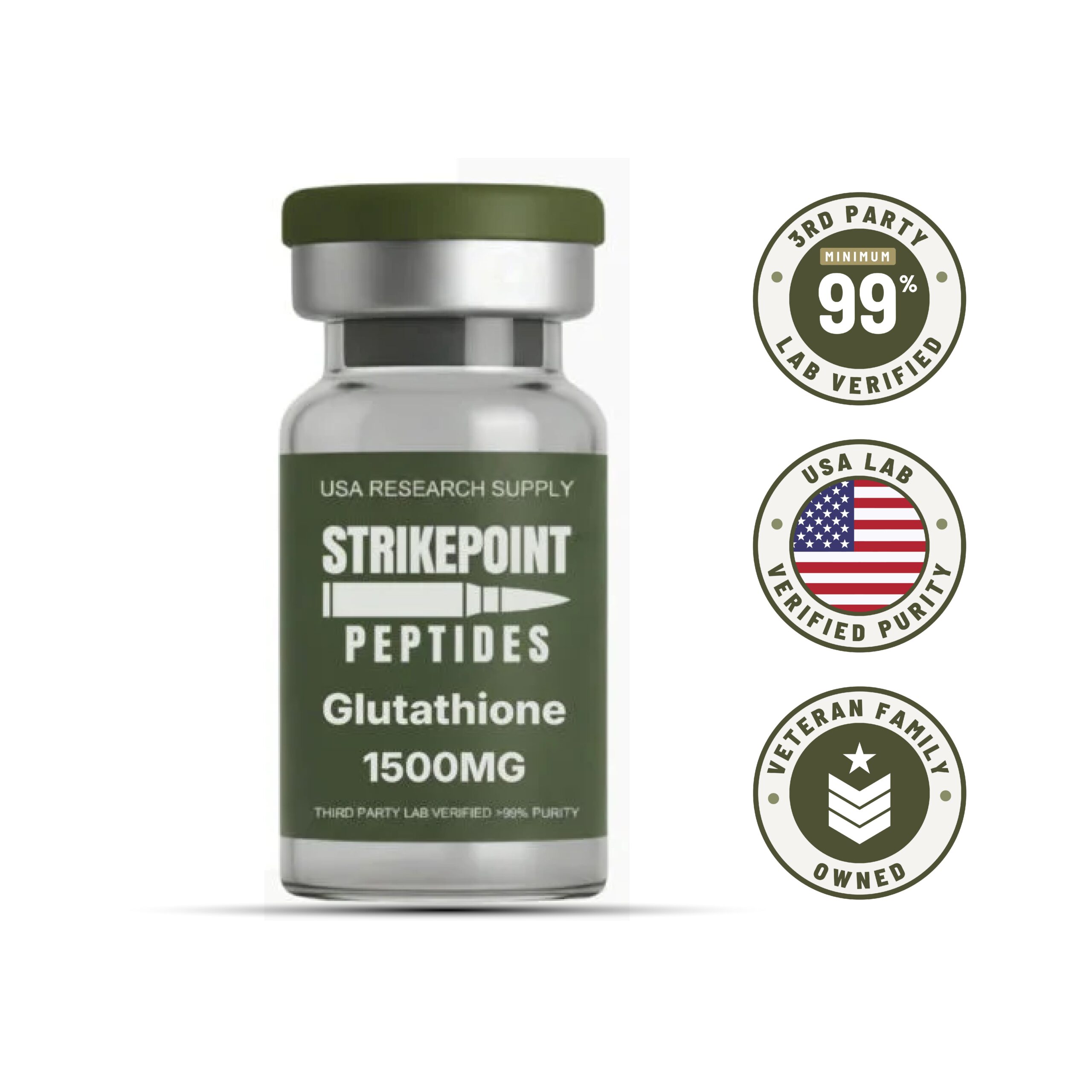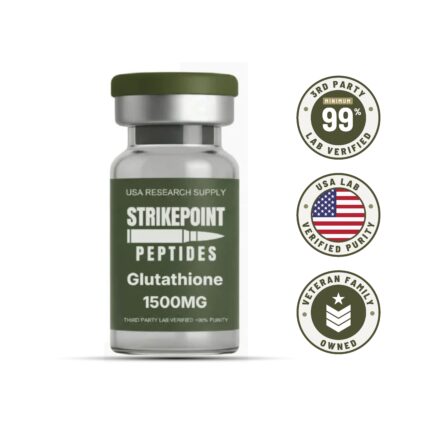
Glutathione
$60.50 Original price was: $60.50.$48.40Current price is: $48.40.
38 in stock
Shipping
Tested
Checkout
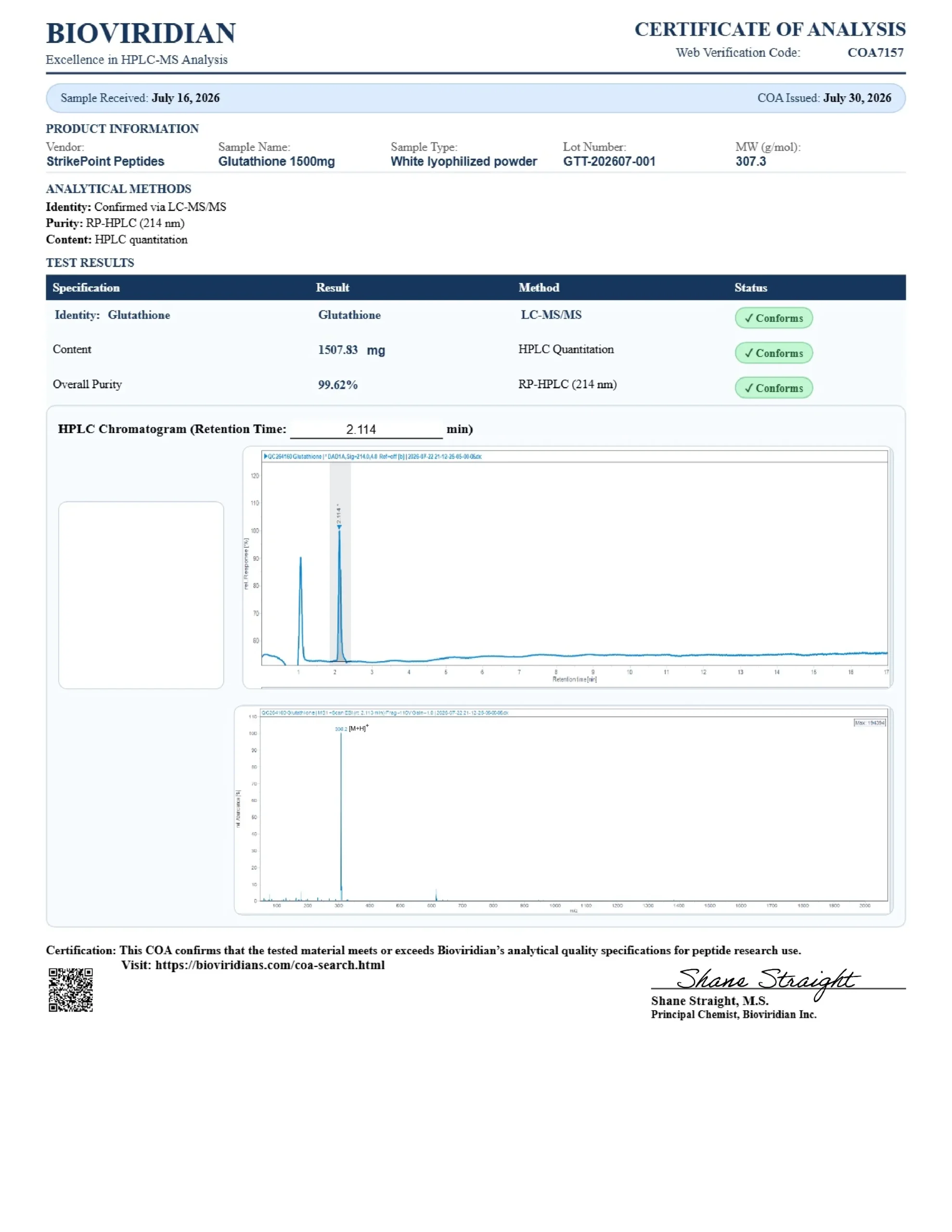
Third-Party Lab Results
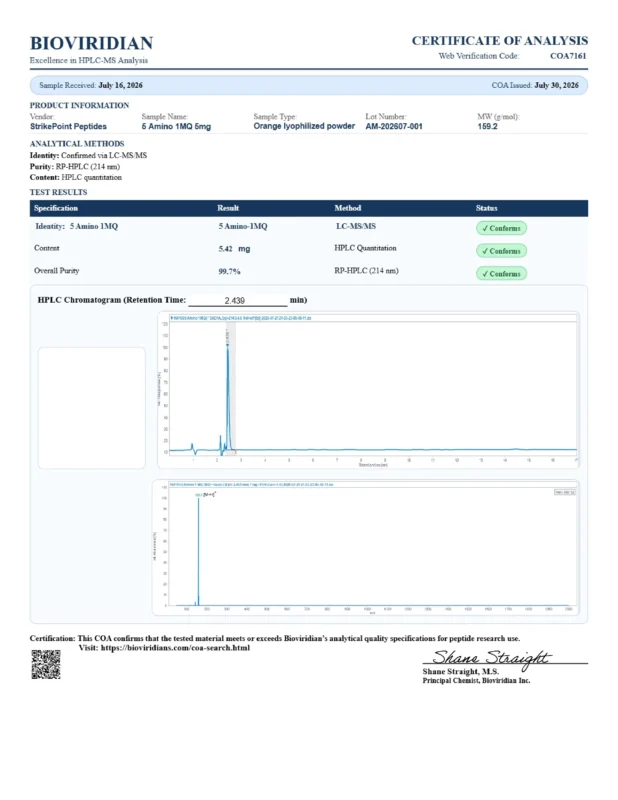
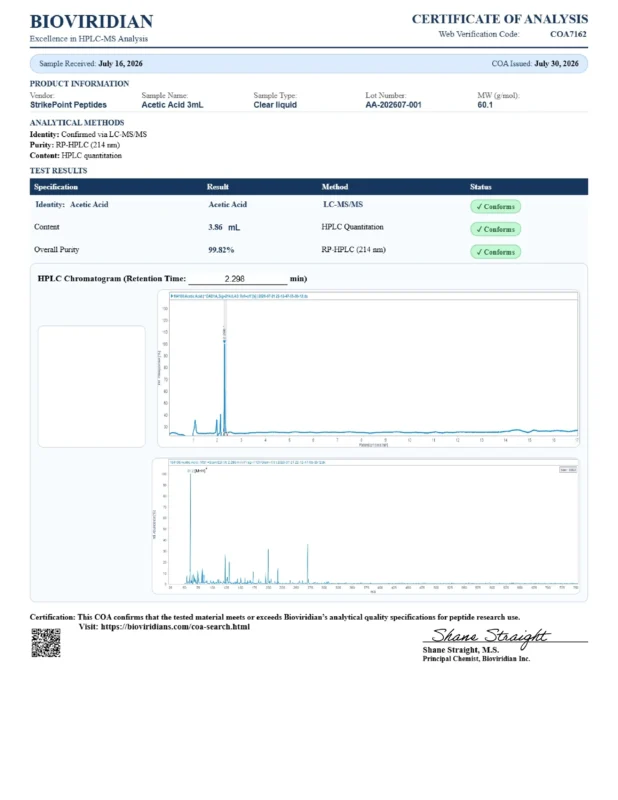
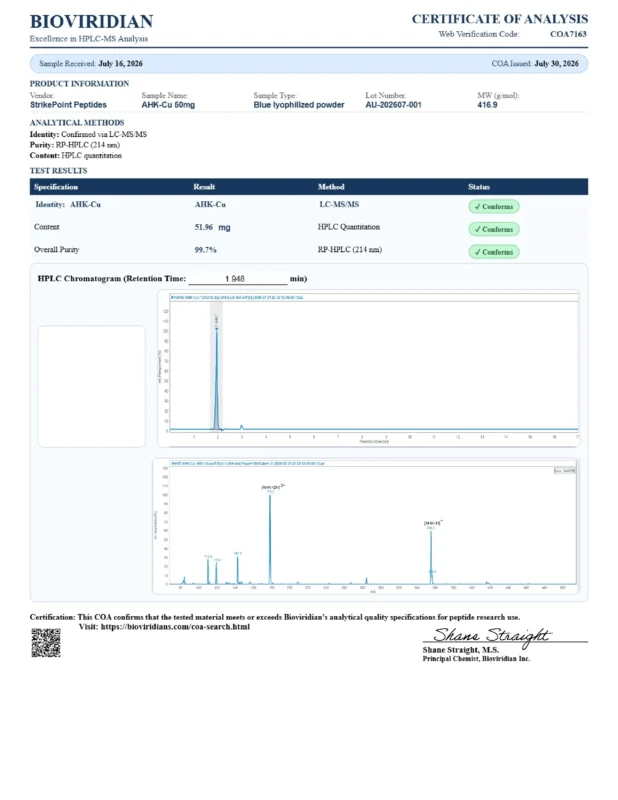
Transparency is our priority. Download the full HPLC and Mass Spectrometry reports for the current batch #88291. Tested on Oct 24, 2023.
DOWNLOAD FULL REPORT (PDF)Glutathione (L-glutathione) is a tripeptide composed of glutamate, cysteine, and glycine, recognized in research as one of the most important low–molecular weight antioxidants produced by cells. It is abundant in many human tissues, including the liver, lungs, and brain, and is central to maintaining redox balance and supporting numerous biochemical pathways.
In experimental models, glutathione is used to study oxidative stress, detoxification, immune function, neurobiology, cartilage and joint health, ocular physiology, and skin-aging mechanisms. Tissue levels appear to decline with age in many species, making glutathione a key focus in aging and longevity research. Glutathione supplied by research vendors is intended strictly for laboratory use and is not a drug, food, cosmetic, or supplement, nor is it intended for human or veterinary consumption.
Glutathione acts as a major intracellular antioxidant and redox buffer, primarily through the reactive sulfur group in its cysteine residue. In its reduced form (GSH), it neutralizes reactive oxygen and nitrogen species and participates in enzyme systems that protect cellular structures, DNA, and extracellular matrix components from oxidative damage.
Key research themes involving glutathione include:
- Scavenging of free radicals (e.g., peroxides, nitrogen dioxide, hypochlorous acid)
- Support of other antioxidant systems (e.g., vitamin C and vitamin E recycling)
- Detoxification via glutathione S-transferases and related enzymes
- Regulation of protein folding, disulfide-bond formation, and thiol redox status
- Modulation of inflammatory mediators, nitric oxide pathways, and cellular metabolism
Because endogenous glutathione synthesis capacity appears to decrease with age in many models, glutathione is frequently used as both an experimental variable and a biomarker in studies of aging, disease susceptibility, and redox imbalance.
All peptides are supplied as sterile, lyophilized powder and are stable when handled correctly.
- On arrival: Store vials in a cool, dry place away from heat and direct sunlight.
- Long-term (powder): For optimal longevity, keep lyophilized peptides refrigerated to help maintain integrity.
- After reconstitution: Use an appropriate research diluent (for example, BAC water). Store the reconstituted solution in the refrigerator and use within 20–30 days for best stability.
Note: Minimize exposure to moisture and repeated freeze–thaw cycles. Follow your institution's safety procedures when handling research materials.
Q1: What is glutathione in a research context?
A1: Glutathione is a naturally occurring tripeptide and major intracellular antioxidant used in laboratory models to investigate redox balance, detoxification, immune function, neurobiology, cartilage and joint health, ocular physiology, and skin-aging mechanisms.
Q2: Why is glutathione considered a key antioxidant?
A2: Glutathione contains a reactive sulfur group that allows it to neutralize a variety of reactive oxygen and nitrogen species. It also participates in enzyme systems that recycle other antioxidants and maintains the cellular reduced/oxidized (GSH/GSSG) balance, making it central to redox homeostasis.
Q3: How is glutathione related to aging research?
A3: Glutathione levels tend to decline with age in many tissues, including the brain. Experimental work links this decline with increased oxidative stress, changes in cellular resilience, and age-related functional changes, making glutathione a core focus in longevity and neurodegeneration research.
Q4: Does glutathione play a role in the immune system?
A4: Yes. Glutathione influences immune-cell function, redox-sensitive signaling, and responses to infection. Studies show that low glutathione is associated with impaired immune responses, while optimizing glutathione status can support certain immune parameters in disease-focused models.
Q5: Is this glutathione product intended for supplementation or therapeutic use?
A5: No. Glutathione offered by research suppliers is intended strictly for laboratory and in vitro experimentation by qualified professionals. It is not a drug, food, or cosmetic, and is not intended for human or veterinary consumption, diagnosis, treatment, or prevention of any condition.
Researcher Reviews
Frequently Bought Together
5-amino-1mq 5MG
ACE-031


Reviews
There are no reviews yet.