MOTS-c 10 vial kit
MOTS-c 10 vial kit Price range: $267.52 through $947.20
Back to products
PT-141 10mg 10 vial kit
PT-141 10mg 10 vial kit Original price was: $432.00.Current price is: $345.60.

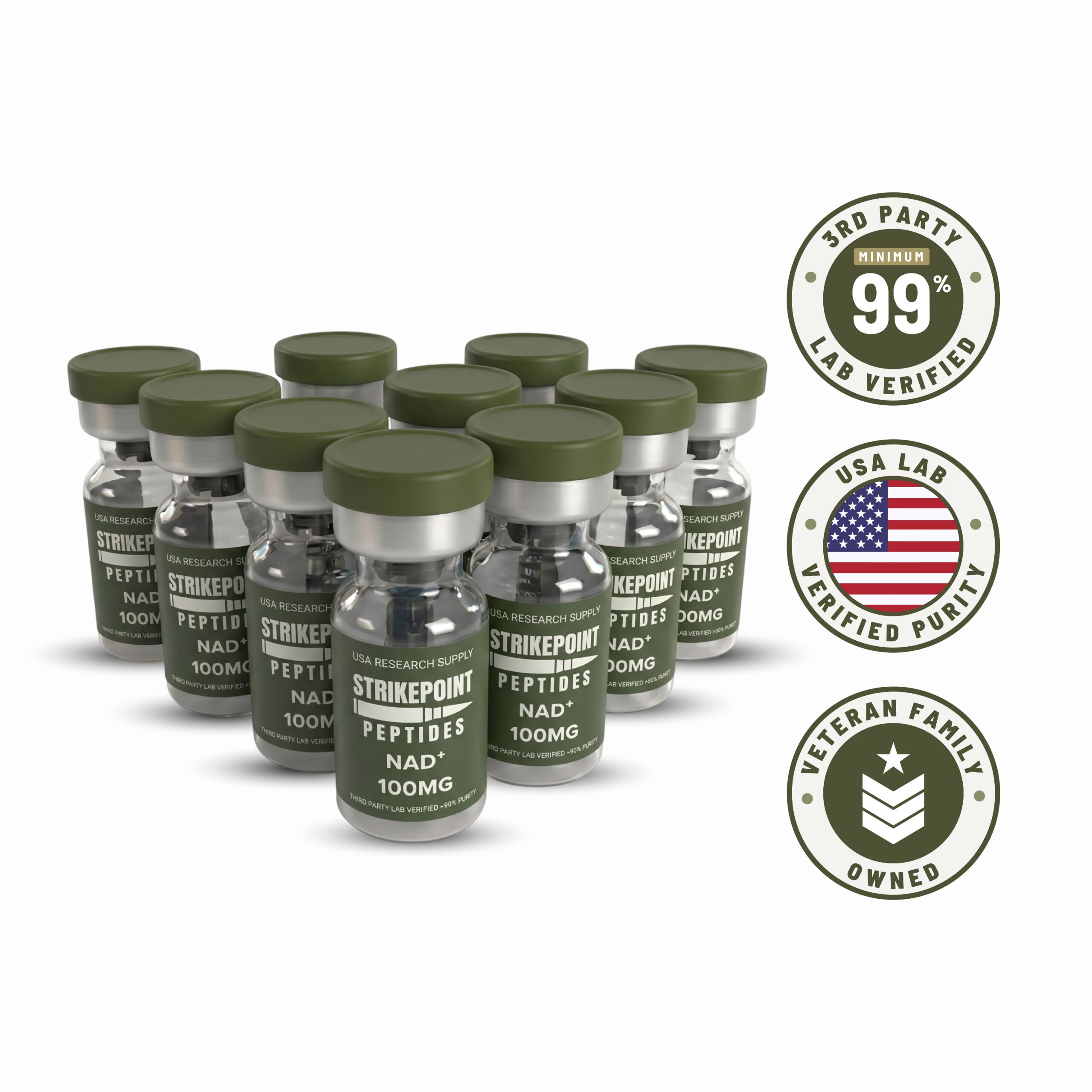
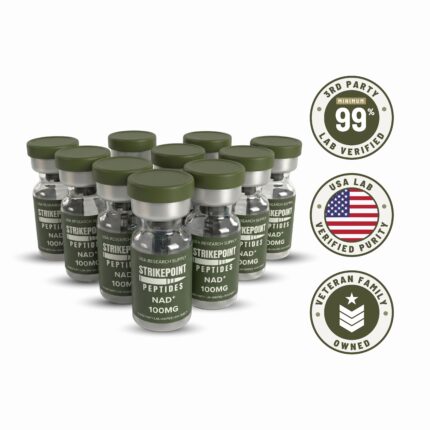
NAD+ 10 vial kit

★★★★★ Trusted by researchers with 4.8/5 rating

Price range: $172.80 through $416.00

...
Free 2-day air shipping on orders $200+
Third-party tested — every batch
🎖 Verified veterans save 15% — for life. Learn More →
99%+ Purity Guaranteed
VETERAN MISSION
Same-Day
Shipping
Third-Party
Tested
Secure
Checkout
SCIENTIFIC SPECIFICATIONS
Molecular Formula
C21H27N7O14P2
CAS
53-84-9
Molar Mass
663.43 g/mol
Synonyms
Diphosphopyridine nucleotide, Nadide, Coenzyme 1, DPN
Solubility
Soluble in Water
Organoleptic Profile
White powder
Composition
Lyophilized powder – requires reconstitution
Research Use Only
● VERIFIED ANALYSIS

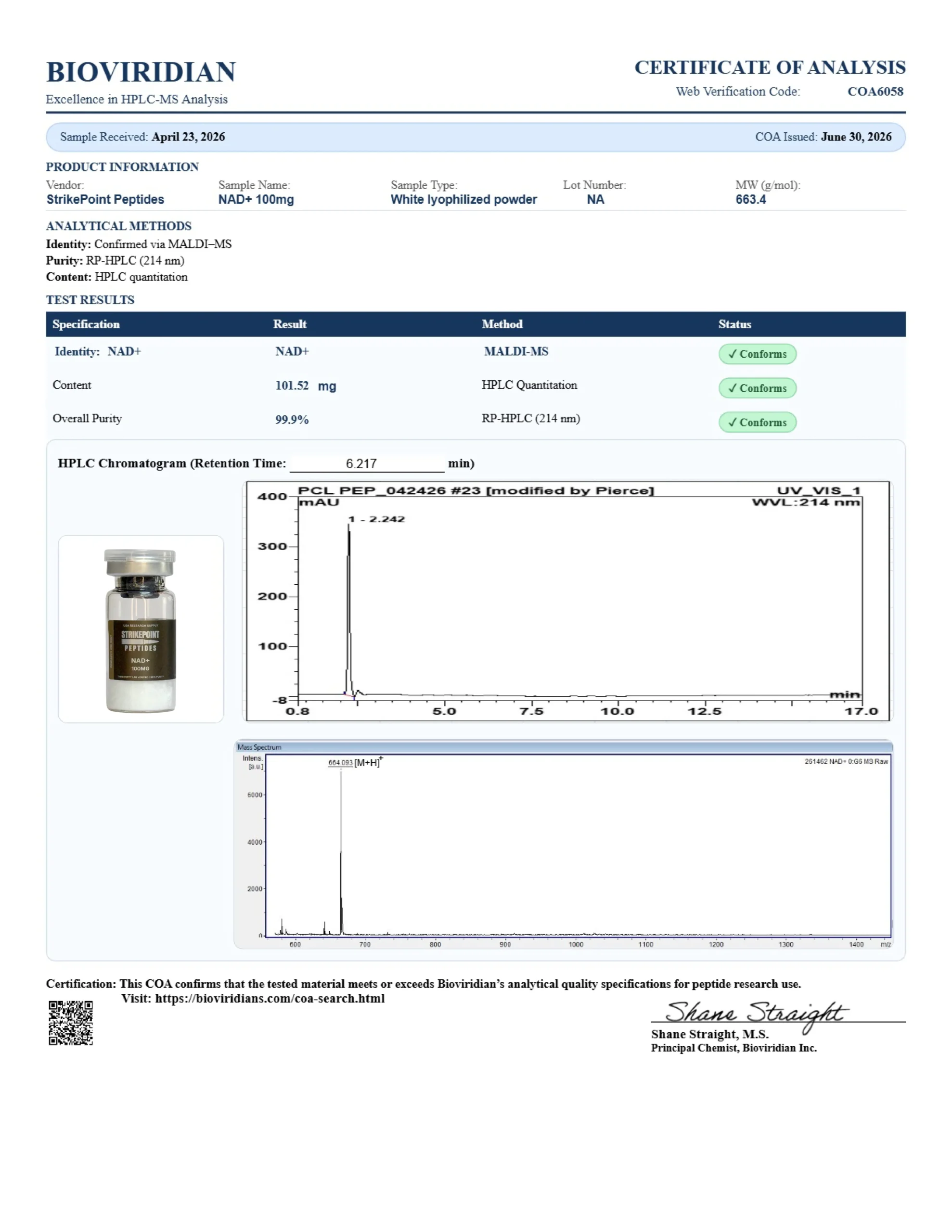
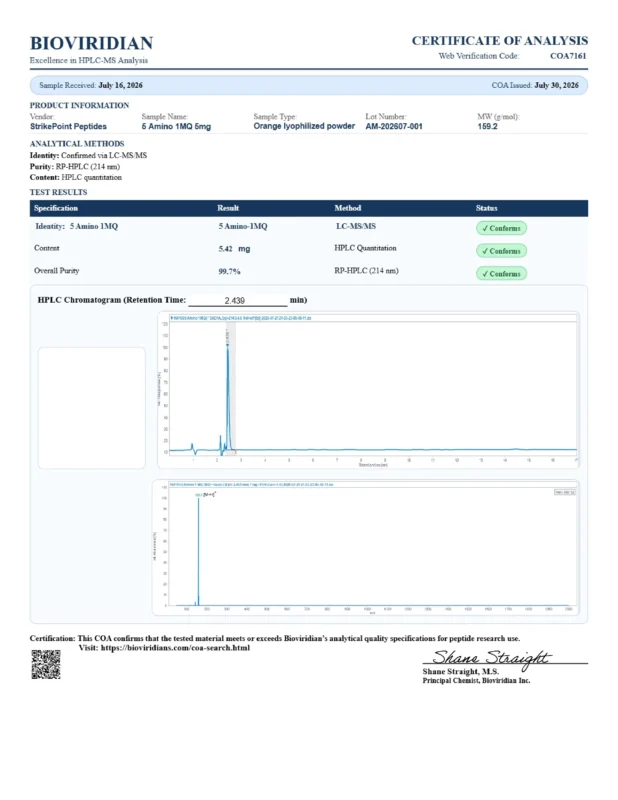
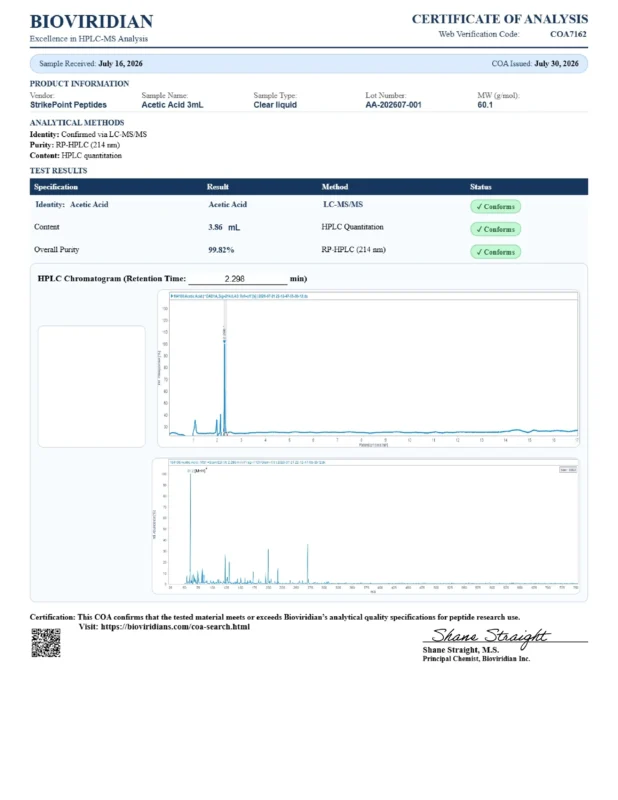
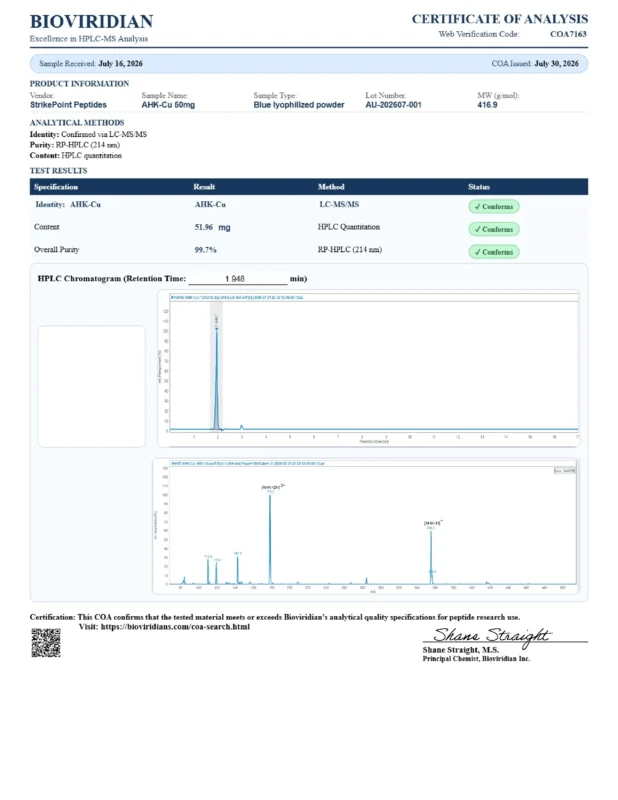
Third-Party Lab Results

Transparency is our priority. Download the full HPLC and Mass Spectrometry reports for the current batch #88291. Tested on Oct 24, 2023.

DOWNLOAD FULL REPORT (PDF)
PDF
HPLC_BPC157_Batch88291.pdf
Verified by Janoshik
PDF
MS_BPC157_Batch88291.pdf
Verified by Janoshik
Research Overview

NAD+ 10 vial kit peptide Overview

NAD+ 10 vial kit (Nicotinamide Adenine Dinucleotide) is an essential coenzyme used in laboratory research to explore redox metabolism, mitochondrial energy production, and cellular aging mechanisms. Functioning as a pivotal electron transporter, NAD⁺ cycles between its oxidized (NAD⁺) and reduced (NADH) states to facilitate key biochemical pathways such as oxidative phosphorylation and glycolysis.

In addition to its metabolic roles, NAD⁺ acts as a substrate for regulatory enzymes like sirtuins and PARPs (poly ADP-ribose polymerases), which are involved in DNA repair, epigenetic regulation, and cellular stress responses. These functions make NAD⁺ a central molecule in anti-aging, neuroprotection, and metabolic resilience research. All uses are limited to non-clinical, in-vitro or in-vivo animal models.

  • Molecule Type: Pyridine nucleotide coenzyme
  • Forms: NAD⁺ (oxidized) and NADH (reduced)
  • Primary Role: Redox electron transfer in cellular respiration
  • Other Roles:
    • DNA repair and genomic stability
    • Epigenetic gene expression (via sirtuins)
    • Immune signaling and oxidative stress modulation
  • Research Use:
    • Mitochondrial function assays
    • Neurodegenerative model systems
    • Metabolomics and transcriptomics profiling
    • Aging and longevity investigations
  • Note: Not for human consumption or clinical use. Supplied strictly for research purposes.
Storage & Handling

NAD+ 10 vial kit peptide Storage & Handling

All peptides are supplied as sterile, lyophilized powder and are stable when handled correctly.

  • On arrival: Store vials in a cool, dry place away from heat and direct sunlight.
  • Long-term (powder): For optimal longevity, keep lyophilized peptides refrigerated to help maintain integrity.
  • After reconstitution: Use an appropriate research diluent (for example, BAC water). Store the reconstituted solution in the refrigerator and use within 20–30 days for best stability.

Note: Minimize exposure to moisture and repeated freeze–thaw cycles. Follow your institution's safety procedures when handling research materials.

FAQ 

NAD+ 10 vial kit peptide FAQ 

Q: What is NAD+ 10 vial kit used for in research?
A: NAD+ 10 vial kit is used to investigate cellular energy metabolism, mitochondrial function, DNA repair, and aging mechanisms in preclinical studies.

Q: Is NAD+ 10 vial kit  the same as NADH?
A: No. NAD+ 10 vial kit is the oxidized form, while NADH is the reduced form. Both are involved in redox reactions that power energy metabolism.

Q: Why is NAD+ 10 vial kit important in anti-aging research?
A: NAD+ 10 vial kit activates enzymes like sirtuins and PARPs that regulate DNA integrity, gene expression, and stress responses, which are critical for longevity studies.

Q: CanNAD+ 10 vial kit be used in humans?
A: No. This product is strictly for research use in in-vitro or in-vivo experimental models and is not approved for human or clinical applications.

Q: What systems is NAD+ 10 vial kit commonly studied in?
A: NAD⁺ is frequently examined in neurodegeneration, muscle metabolism, mitochondrial signaling, and metabolic syndrome models.

erimental design.

i
Research Use Only: This product is intended for laboratory research use only and is not for human consumption, diagnostic, or therapeutic use.

Researcher Reviews