
HGH 191AA
HGH 191AA Price range: $33.60 through $77.60
Back to products
GLP-3 Reta
GLP-3 Reta Price range: $66.00 through $312.80

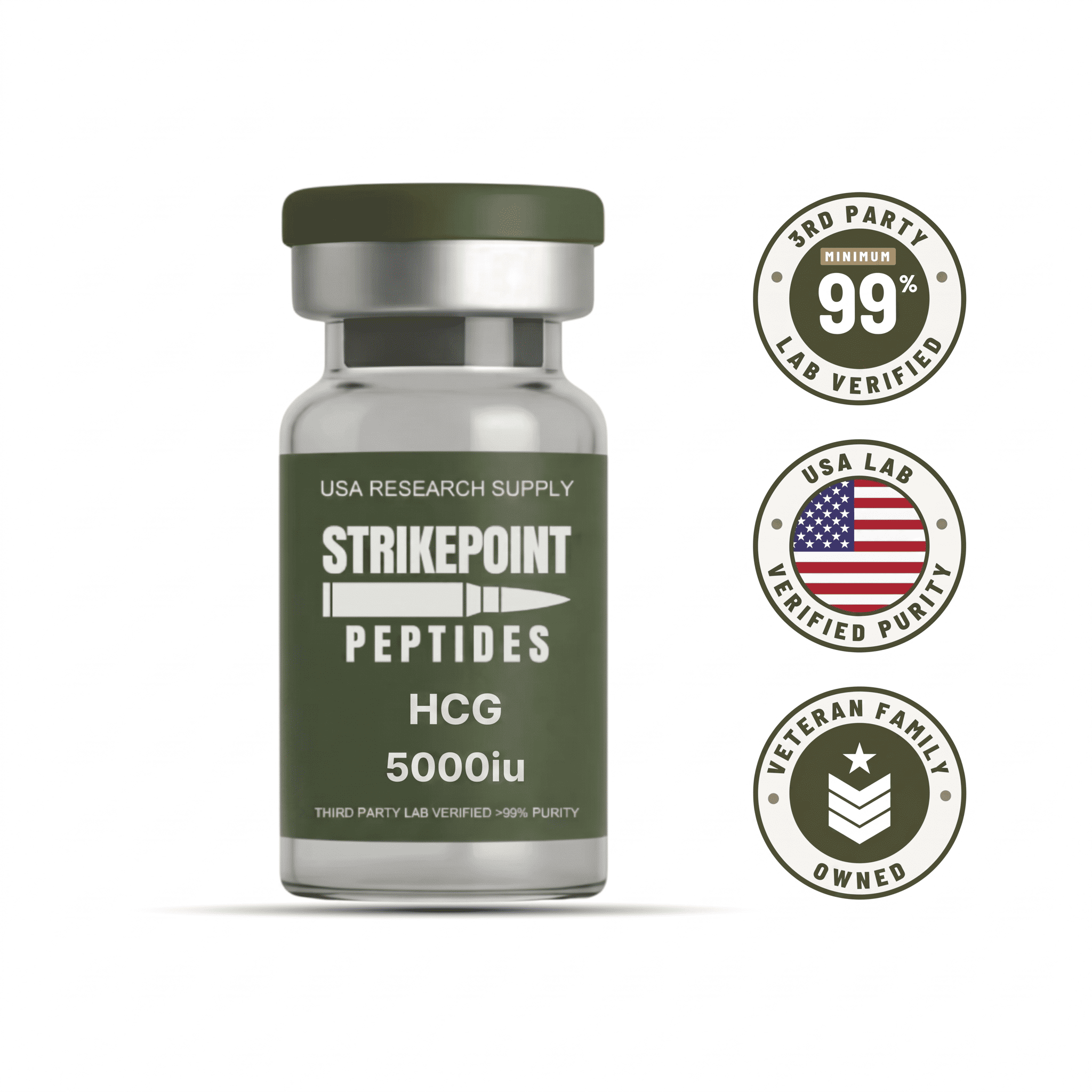
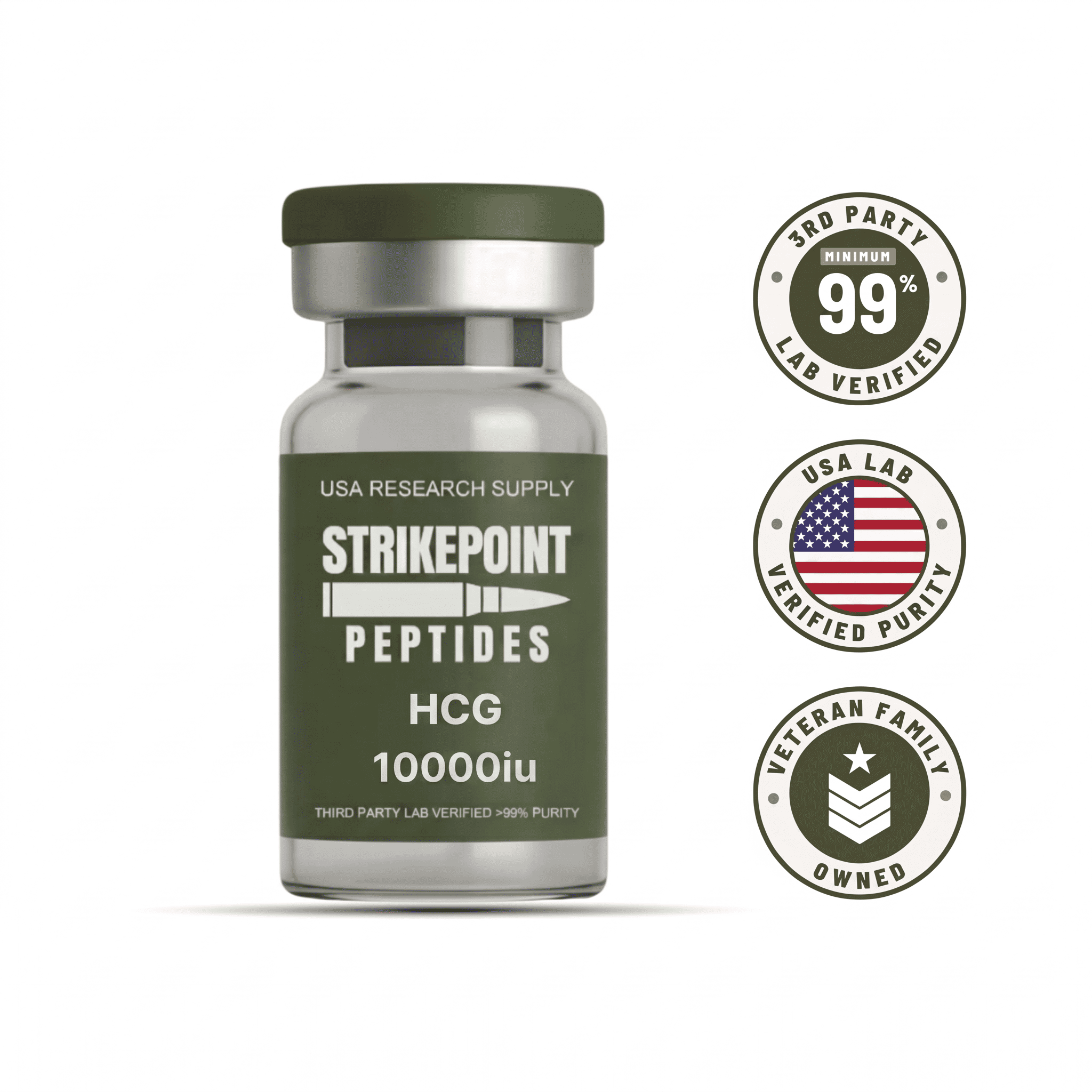
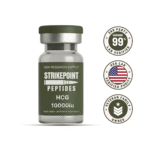
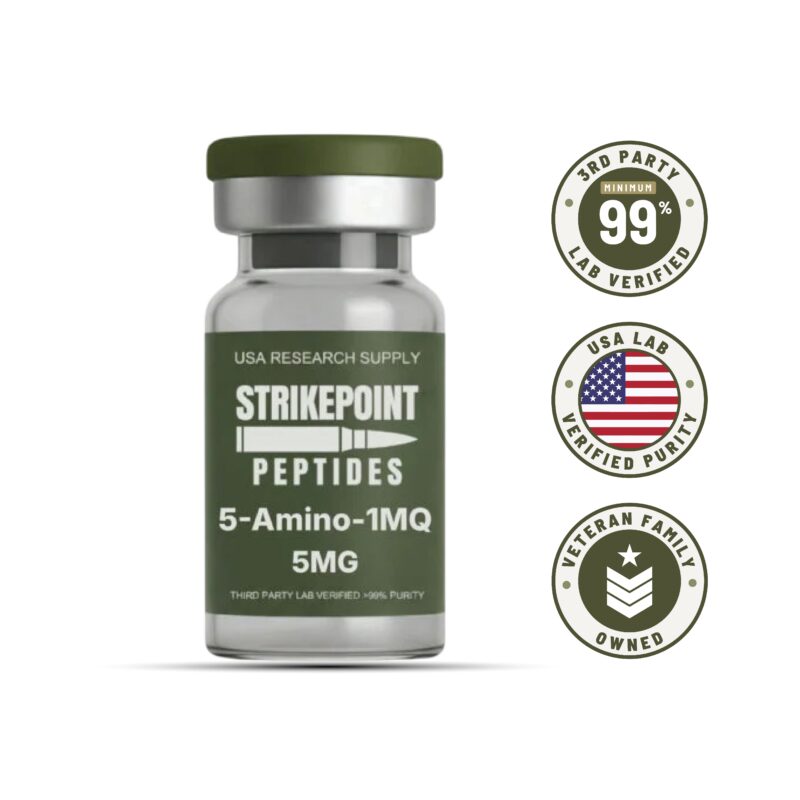
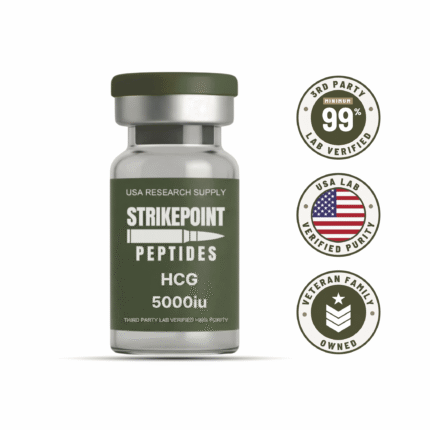
HCG

15 BOUGHT IN LAST 24H

Price range: $46.96 through $82.16

Veteran Support
Mission Driven
Same-Day
Shipping
Third-Party
Tested
Secure
Checkout
● VERIFIED ANALYSIS

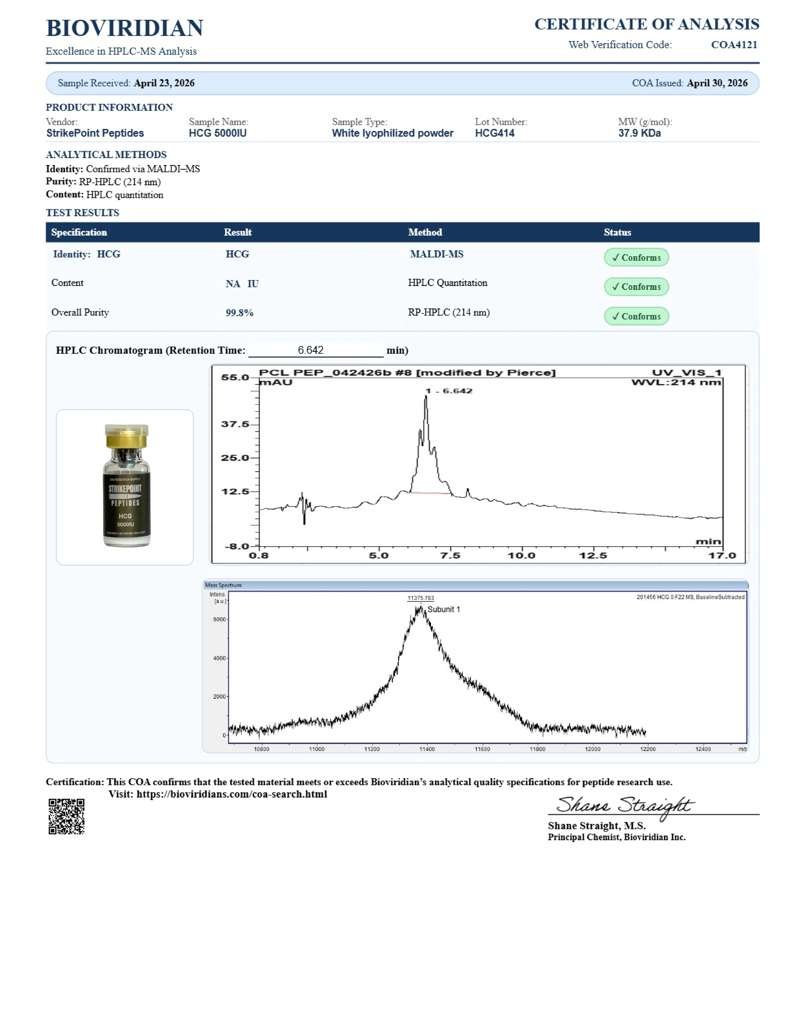
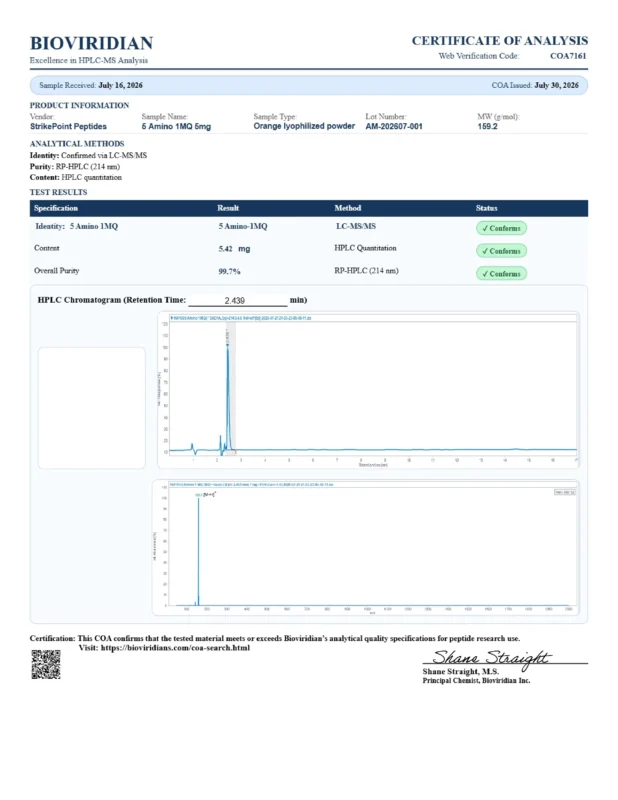
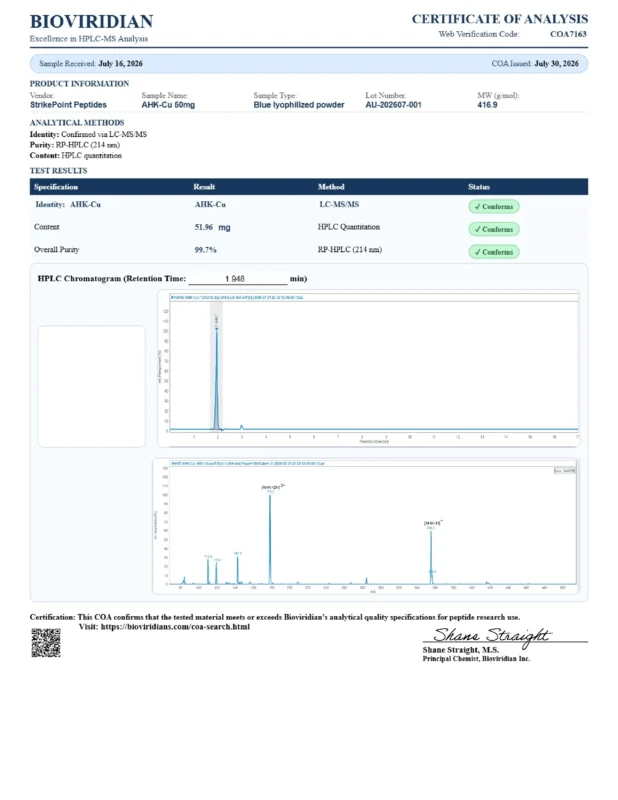
Third-Party Lab Results

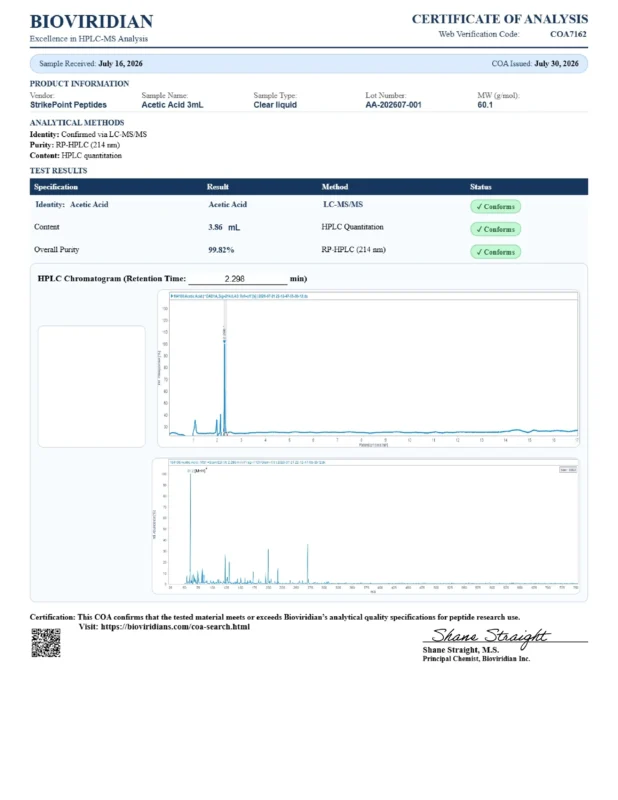
Transparency is our priority. Download the full HPLC and Mass Spectrometry reports for the current batch #88291. Tested on Oct 24, 2023.

DOWNLOAD FULL REPORT (PDF)
PDF
HPLC_BPC157_Batch88291.pdf
Verified by Janoshik
PDF
MS_BPC157_Batch88291.pdf
Verified by Janoshik
Research Overview

Human Chorionic Gonadotropin (hCG) is a glycoprotein hormone commonly used in research to model and investigate hypothalamic–pituitary–gonadal (HPG) axis function. Structurally related to luteinizing hormone (LH), hCG is frequently employed in experimental systems to stimulate LH-like signaling and to study downstream effects on steroidogenesis, gonadal development, and gametogenic pathways.

In laboratory settings, hCG serves as a tool compound to explore testicular and ovarian physiology, Leydig and Sertoli cell function, receptor activation, and endocrine feedback loops. hCG supplied for research is intended strictly for in vitro and controlled in vivo experimental use by qualified professionals and is not approved for human or veterinary treatment, fertility protocols, or any therapeutic application.

hCG is a heterodimeric glycoprotein composed of an alpha and beta subunit, with the beta subunit conferring its biological specificity. Because of its long circulating half-life and strong affinity for the LH/hCG receptor, it is extensively used as an LH-mimetic in research.

Key research applications include:

  • Modeling LH receptor activation in gonadal cell lines
  • Studying steroid hormone biosynthesis (e.g., testosterone and estrogen pathways)
  • Investigating testicular development and germ cell support in animal models
  • Probing signaling cascades in Leydig, Sertoli, and granulosa cells
  • Exploring endocrine feedback mechanisms within the HPG axis

These properties make hCG a standard reference and functional agonist in reproductive endocrinology and gonadal biology studies.


Storage & Handling

All peptides are supplied as sterile, lyophilized powder and are stable when handled correctly.

  • On arrival: Store vials in a cool, dry place away from heat and direct sunlight.
  • Long-term (powder): For optimal longevity, keep lyophilized peptides refrigerated to help maintain integrity.
  • After reconstitution: Use an appropriate research diluent (for example, BAC water). Store the reconstituted solution in the refrigerator and use within 20–30 days for best stability.

Note: Minimize exposure to moisture and repeated freeze–thaw cycles. Follow your institution's safety procedures when handling research materials.

FAQ
  1. Q1: What is hCG in a research setting?
    A1: Human Chorionic Gonadotropin (hCG) is a glycoprotein hormone used as a laboratory reagent to model LH-like signaling, study gonadal steroidogenesis, and investigate hypothalamic–pituitary–gonadal (HPG) axis regulation in experimental systems.
    Q2: Why is hCG often used instead of LH in experiments?
    A2:
    hCG has a longer circulating half-life and strong affinity for the LH/hCG receptor, making it convenient for controlled stimulation of LH-like pathways and for studying prolonged receptor activation and downstream signaling.
    Q3: What kinds of cells or tissues are typically studied with hCG?
    A3: hCG is commonly applied in studies involving Leydig and Sertoli cells, ovarian granulosa and luteal cells, testicular and ovarian tissue explants, and cell lines engineered to express the LH/hCG receptor.
    Q4: Is research-grade hCG intended for fertility treatment or medical use?
    A4: No. Research-grade hCG is intended strictly for in vitro and controlled preclinical research by qualified professionals. It is not labeled, marketed, or approved for human or veterinary treatment, fertility protocols, or any diagnostic or therapeutic purpose.
    Q5: Who should handle hCG in the laboratory?
    A5:
    hCG should only be handled by trained laboratory personnel following appropriate safety, handling, and disposal procedures, in accordance with institutional and regulatory guidelines.


i
Research Use Only: This product is intended for laboratory research use only and is not for human consumption, diagnostic, or therapeutic use.

Researcher Reviews

Reviews

There are no reviews yet.

Be the first to review “HCG”

Your email address will not be published. Required fields are marked *